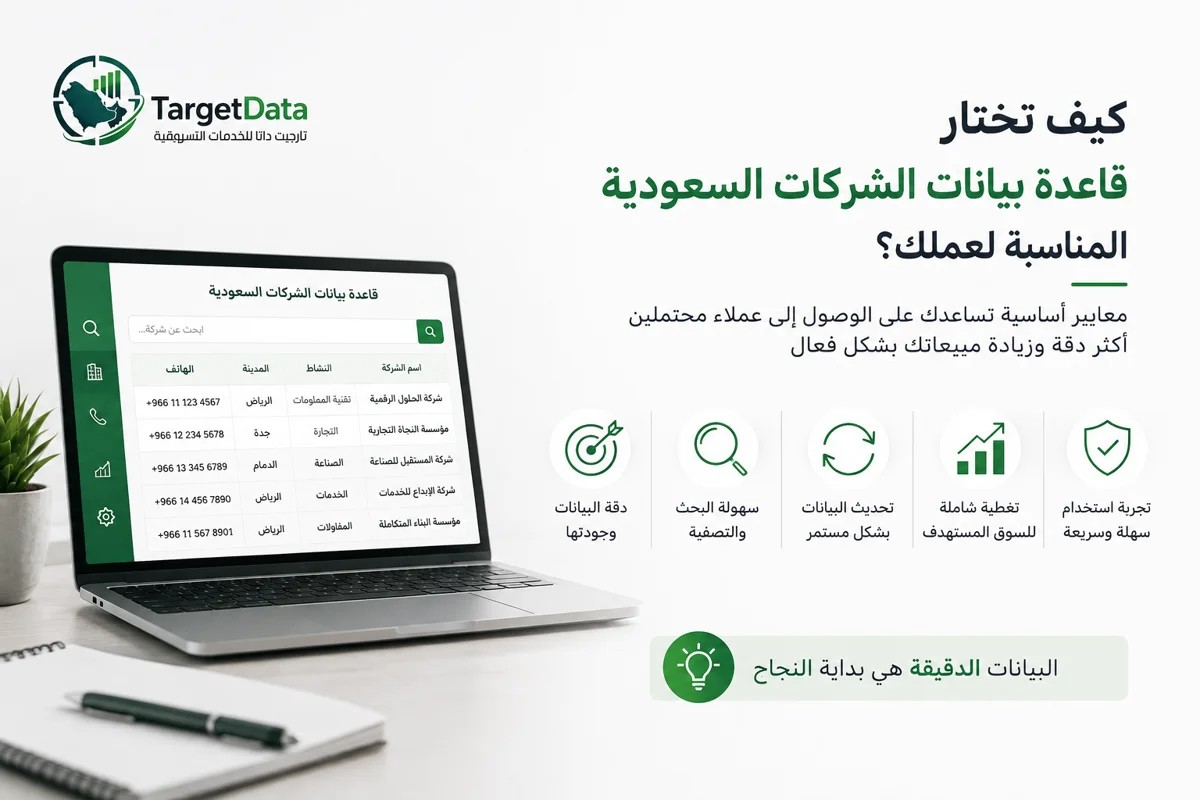
Database selection should begin with the decisions your team needs to make. Large totals can be impressive, but relevant coverage and usable fields determine whether the product fits your workflow.
A practical framework
Use the following steps as a working checklist. Adapt the order and level of detail to your market, offer, and compliance requirements.
- Document the use case: Write down who will use the data, for which market, and for what outcome.
- Inspect coverage: Confirm relevant cities, sectors, business types, and roles.
- Review freshness: Ask how updates are handled and how users can report issues.
- Check usability: Evaluate search, filtering, export, access controls, and support.
- Assess governance: Ensure the intended use complies with applicable privacy and communication rules.
Measure before you scale
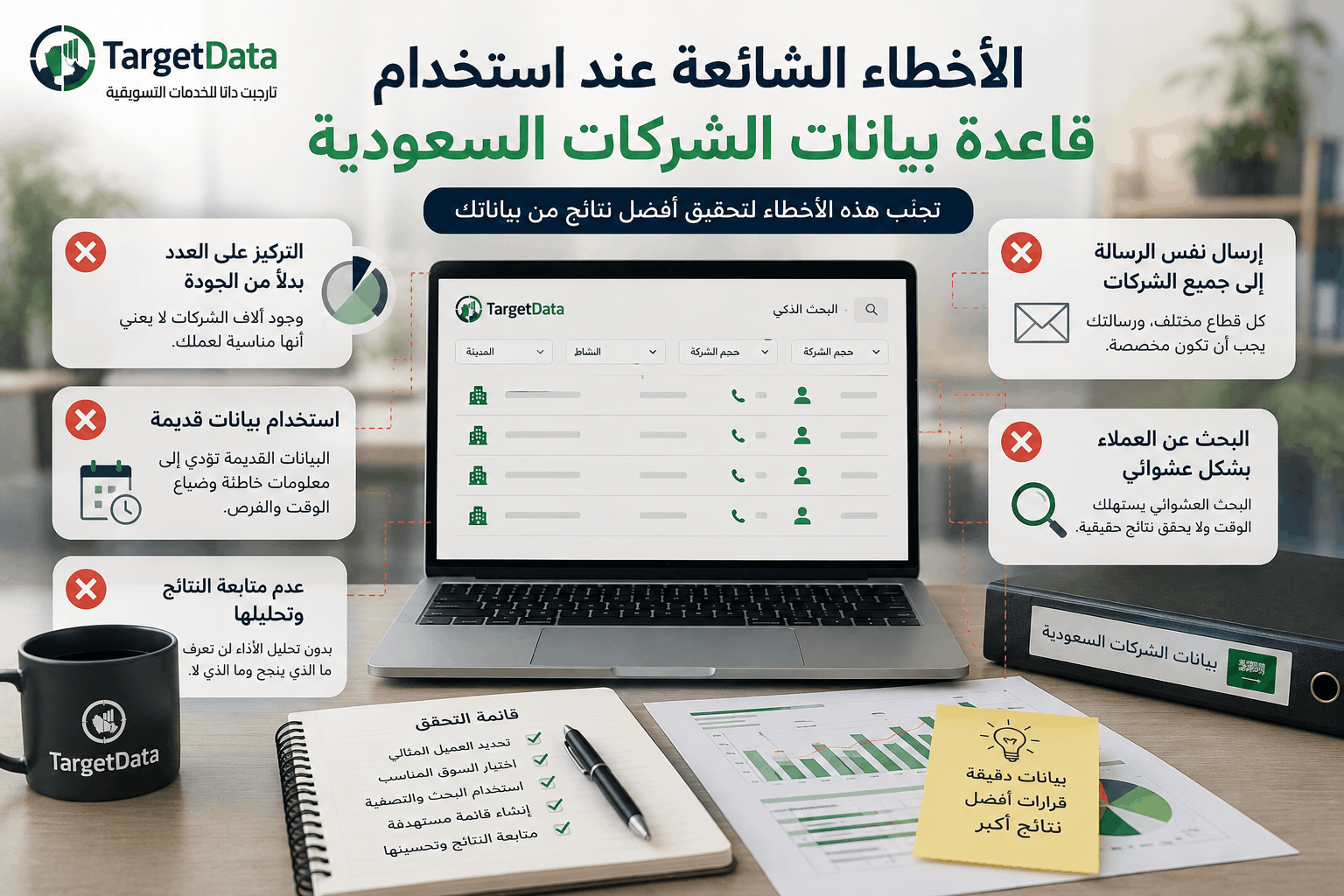
Track delivery, response, qualification, meeting, and conversion rates. Review the numbers by segment so that a strong result in one audience does not hide weak performance elsewhere. Keep only the channels and messages that produce qualified opportunities.
Responsible use of data
Use business and contact data lawfully and professionally. Respect privacy, local regulations, consent requirements, and the policies of every communication platform. Give recipients a clear way to opt out and keep suppression lists up to date.
Conclusion
The right database is the one your team can use confidently and responsibly. Evaluate quality in the context of your real sales process.